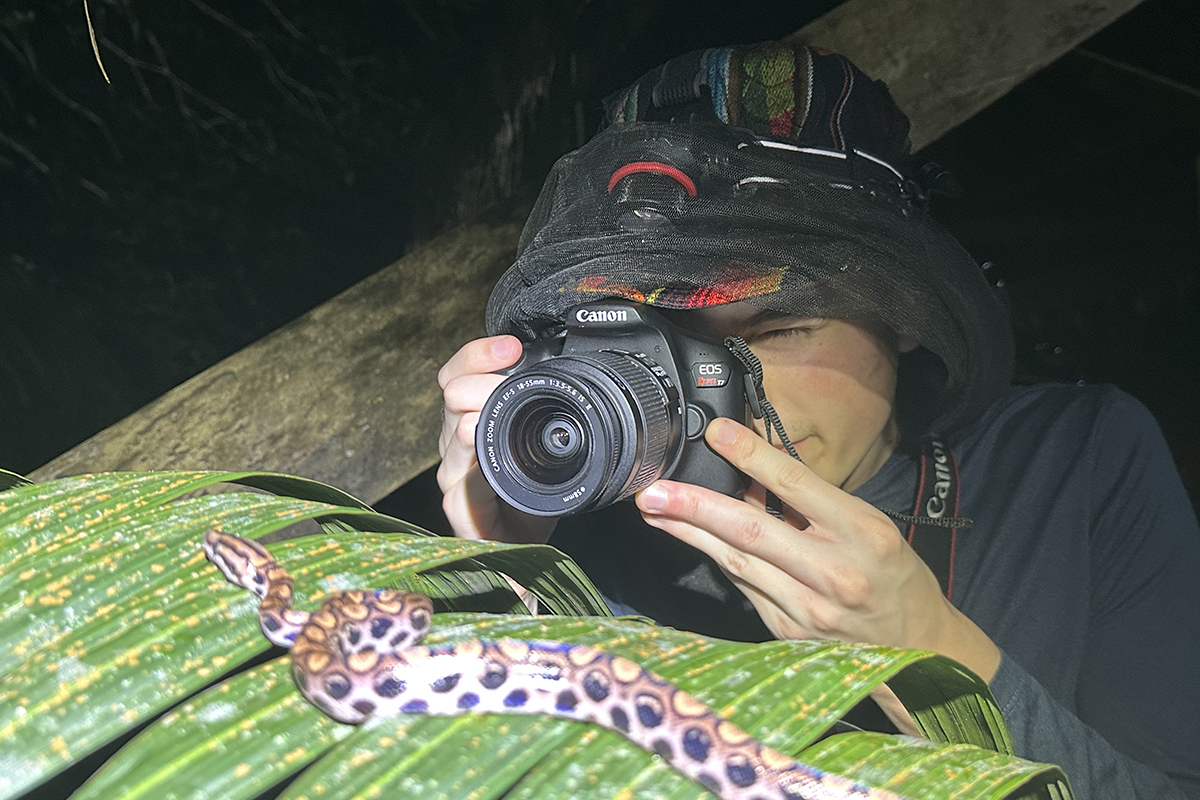
Students from Liberty University recently participated in an educational trip to the Galápagos Islands, a renowned location for its unique biodiversity and natural beauty. The journey aimed to provide students with an immersive experience in nature, allowing them to observe and learn about various species that are endemic to the islands.
The Galápagos Islands, located in the Pacific Ocean, are famous for their diverse ecosystems and their influence on Charles Darwin's theory of evolution. During the trip, students explored different islands, each offering distinct habitats and wildlife. They observed giant tortoises, marine iguanas, blue-footed boobies, and other iconic species, gaining insights into evolutionary processes and ecological balance.
Throughout the trip, students participated in guided tours led by expert naturalists who explained the significance of each species and their roles within the ecosystem. These educational sessions emphasized the importance of biodiversity conservation and the threats faced by these fragile habitats due to human activity and climate change.
In addition to wildlife observation, students engaged in hands-on activities such as habitat restoration projects and scientific research exercises. These experiences aimed to foster a deeper understanding of environmental stewardship and the responsibilities of preserving such unique ecosystems for future generations.
The trip also highlighted the importance of sustainable tourism practices. Students learned how responsible travel can minimize ecological impact while maximizing educational and cultural exchange. They were encouraged to reflect on their role in protecting biodiversity and to consider careers in environmental science, conservation, and related fields.
Overall, the Galápagos Islands trip provided Liberty University students with a once-in-a-lifetime opportunity to connect with nature, deepen their scientific knowledge, and develop a greater appreciation for the planet’s biological diversity. Such experiences are vital for cultivating environmentally conscious leaders who can advocate for conservation efforts worldwide.